
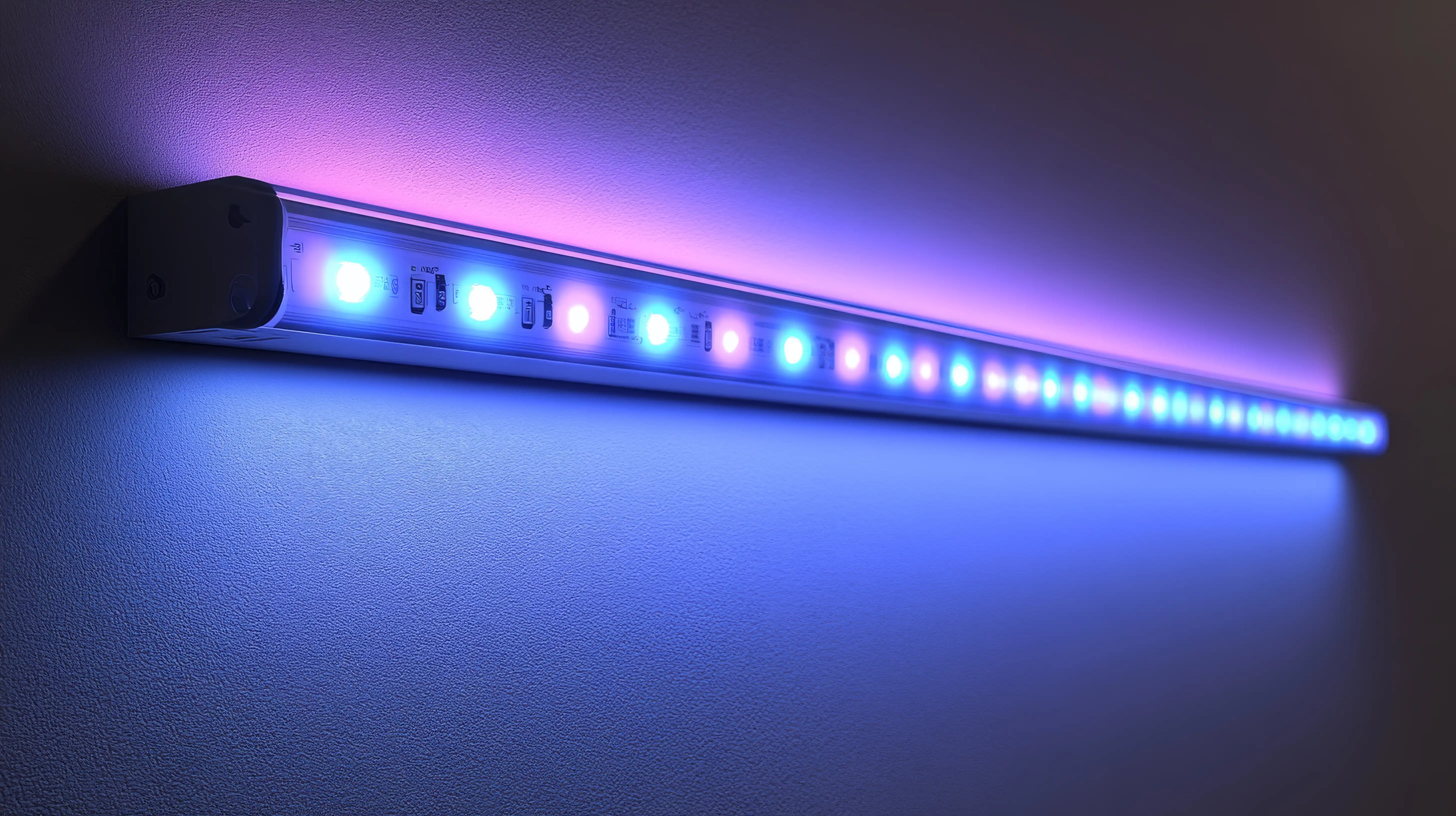
Why are LED channels often designed with aluminium?
If you’re working on a channel for LED strip lights, aluminium profiles will almost always come up as a strong, and commonly the best, option.
Aluminium’s heat management benefit for LEDs
Designing your LED channels using bespoke aluminium profiles gives you several important benefits, and one of them is heat management. Because LEDs are highly sensitive to heat.
An LED generates heat at the junction level, and if it isn’t managed properly, performance will gradually drift. The brightness will drop, colour won't be as consistent along the strip, and, over time, some sections will age faster than others until parts of the strip fail earlier than expected.
When you house your strips in an aluminium profile, the aluminium will pull the heat away, and more than that, it'll spread it evenly along the length of the profile. This also helps the LEDs operate closer to their optimal range for longer.
Aluminium’s light stability benefit for LEDs
So the aluminium profile around the light strips will pull heat away, but it will also spread that heat evenly along the length of the profile. Instead of localised hot spots where individual LEDs degrade faster, you get a much more stable thermal environment.
This stability provided from the aluminium also leads to some neat benefits like consistent brightness, uniform colour temperature, and reduced stress on individual LEDs. Essentially, when you’re designing with aluminium, you’re not just choosing a nice-looking material, you’re controlling the performance of your LED product.
The benefits of designing bespoke aluminium profiles for LEDs
Heat is the number one factor affecting LED lifespan, and aluminium helps with this issue, which allows for a system which not only lasts longer, but performs consistently throughout its lifespan, too. But there’s also another more practical side to using aluminium which can be overlooked, and that is its ability to be designed to fit your specific and unique LED strip light.
As soon as your LED setup includes anything slightly non-standard, off-the-shelf profiles start creating compromises, like sections where connectors, drivers, or soldered joint needing extra space, or areas where the strip changes direction or layout.
With standard LED channel aluminium profiles, you have to adapt your design to fit the profile rather than the other way around.
Designing your own bespoke aluminium profile makes a big difference, because instead of working around limitations, you can design the profile around your actual LED system. You can do a lot more and create a more unique and creative design. It could also make it cheaper because it reduces the need for workarounds which can introduce variability, problems, and slow down production.
Aluminium as a winning material for your LED channel
Using aluminium for your LEDs is basically about enhancing your product's quality and performance. And the aesthetic look of using your own custom-designed aluminium profiles is also a pretty good bonus.
With well-executed LED aluminium profile designs, especially bespoke aluminium extruded designs, the benefits will very quickly outweigh the cost, not that the cost is necessarily hefty.
If you’re building an LED solution and need bespoke aluminium profiles to house your strips, contact us to find out how we can help.
Follow us on LinkedIn to stay updated with our bespoke aluminium profile manufacturing insights.