Our smallest profile produced to date measured approximately 4 × 4 mm and weighed 43 g/m. This is an example of a manufactured profile; feasibility depends on the complete cross-section and specification.
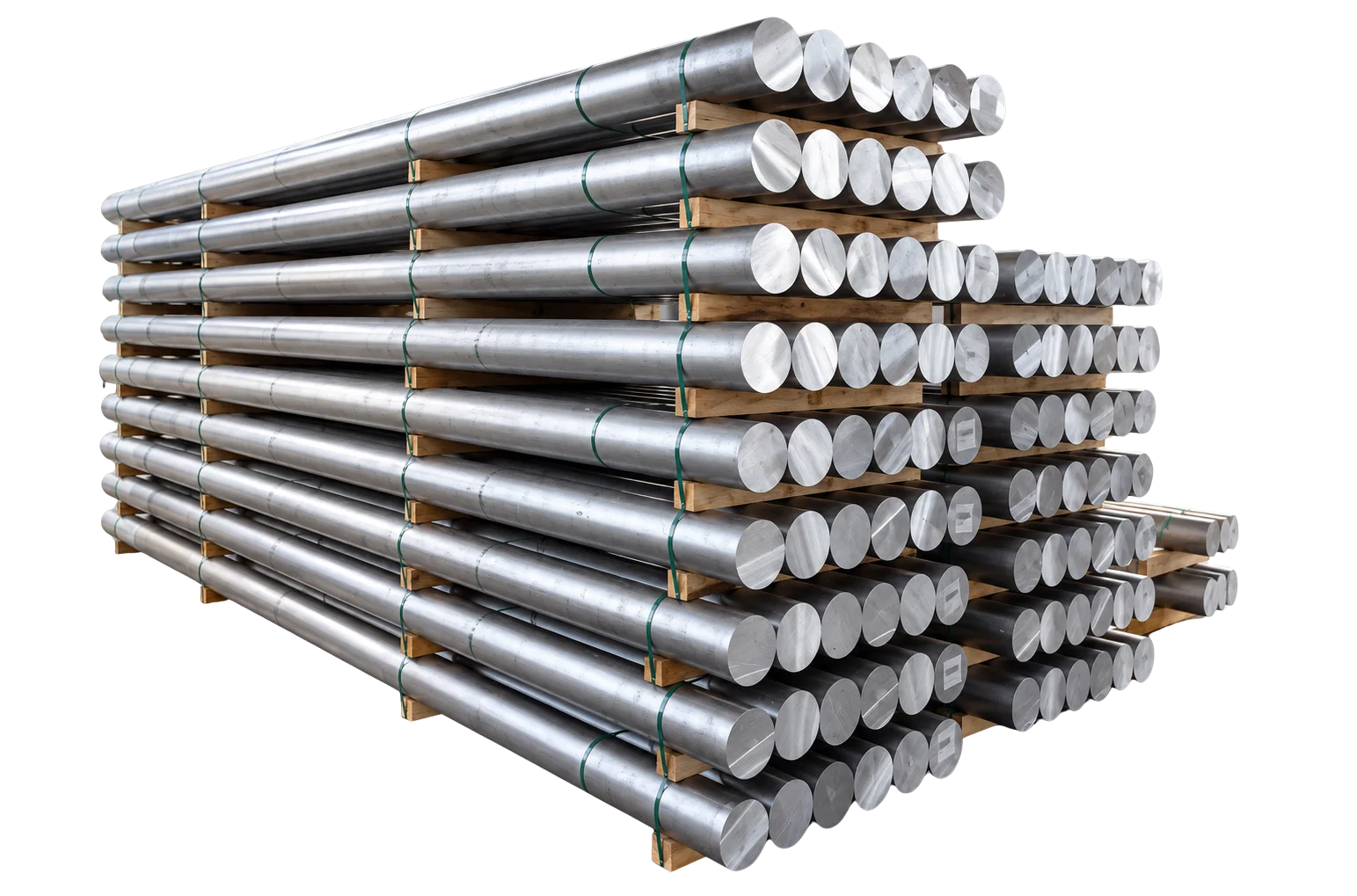
Bespoke Aluminium Extrusion to Your Design
Turn your aluminium profile design into a component ready for production. ALUCAD manages bespoke aluminium extrusion from drawing review and tooling through to machining, finishing, and delivery. Send us your aluminium profile design and requirements so we can review feasibility and quote the complete manufacturing route.
Extruding your custom aluminium profile
ALUCAD will review your aluminium profile design and ensure it is feasible for manufacture. We will then quote the complete manufacturing route, not just extrusion. Our team in Argentan, France coordinates technical communication, production follow-up, and logistics throughout your project, but production is conducted at our facility in Foshan, China.
Once specifications are approved, our trusted extrusion partner located near our facility will extrude your bespoke aluminium profile. We have worked with them for more than 15 years, benefitting from effective communicaton and know their production to be reliable and consistent. While they extrude your profile, we are still responsible for all management of your project. You only have one supplier to communicate with: us.
Aluminium extrusion tolerances we work to
Dimension (mm) |
>1 |
>1–2 |
>2–3 |
>3–6 |
>6–12 |
>12–19 |
>19–25 |
>25–38 |
>38–50 |
>50–100 |
>100–150 |
>150–200 |
>200–250 |
|---|---|---|---|---|---|---|---|---|---|---|---|---|---|
Tolerance ± (mm) |
0.10 |
0.12 |
0.14 |
0.18 |
0.20 |
0.23 |
0.25 |
0.30 |
0.36 |
0.61 |
0.86 |
1.12 |
1.37 |
The dimensional tolerances above are the standard extrusion tolerances we typically work to. These values reflect the dimensional accuracy our extrusion partner can consistently achieve under normal production conditions. Actual tolerances may vary.
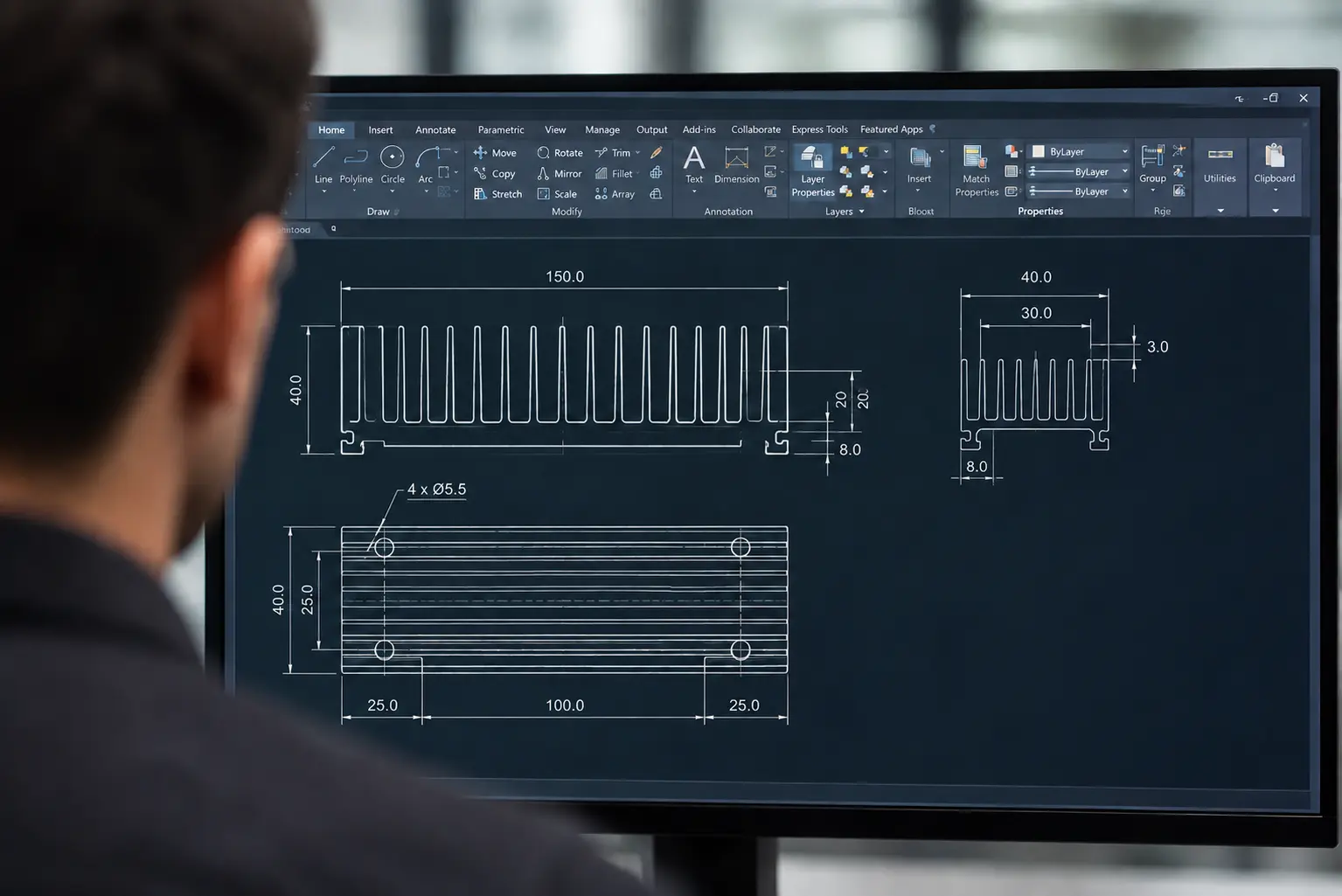
Designing your aluminium profile for extrusion
We'll review wall thickness, material distribution, radii, symmetry, and everything that might affect manufacturability, and we'll discuss changes where they could improve production without compromising your custom aluminium component's function. Sometimes, even small changes can have a major impact on extrusion.
But the cross-section determines more than extrusion feasibility. It also affects how securely the profile can be held, which surfaces can be used for positioning, how easily cutting tools can reach the required features, etc. We'll review your aluminium extrusion profile with machining in mind, as well as finishing. Anodising or coating can affect fits and dimensions, while machining after finishing exposes untreated surfaces.
We review your aluminium profile design with the entire production process in mind.
Aluminium extrusion specifications
6000-series aluminium alloys
6063 T5; 6005 and 6061 T6
Smallest profile we've produced was 4 × 4 mm weighing 43 g/m, subject to project
Up to 6300 mm extrusion length
Extrusion tolerances based on EN 755 unless otherwise specified
Average annual MOQ is around 300 kg per profile, subject to project
Prototype parts are typically delivered in 4–6 weeks. Timing depends on tooling, processing requirements and the agreed validation programme.
Typical production lead times are around 3–4 months
Regular shipments to our French headquarters allow deliveries to be split to suit your production needs, rather than receiving the full annual volume at once
Have a bespoke aluminium extrusion project you want quoted?

Custom aluminium extrusion dies and prototyping
A bespoke cross-section requires an extrusion die designed for its geometry. Once the drawing and quotation are agreed, we coordinate tooling with our nearby extrusion partner, with whom we have worked for more than 15 years.
Prototype parts are typically delivered within 4–6 weeks, depending on the project, and will include everything from extrusion, machining, finishing, and accessories, as per your requests. Once the samples are approved, we can proceed to full production, received in batches as you wish.
How we manufacture your bespoke aluminium profile
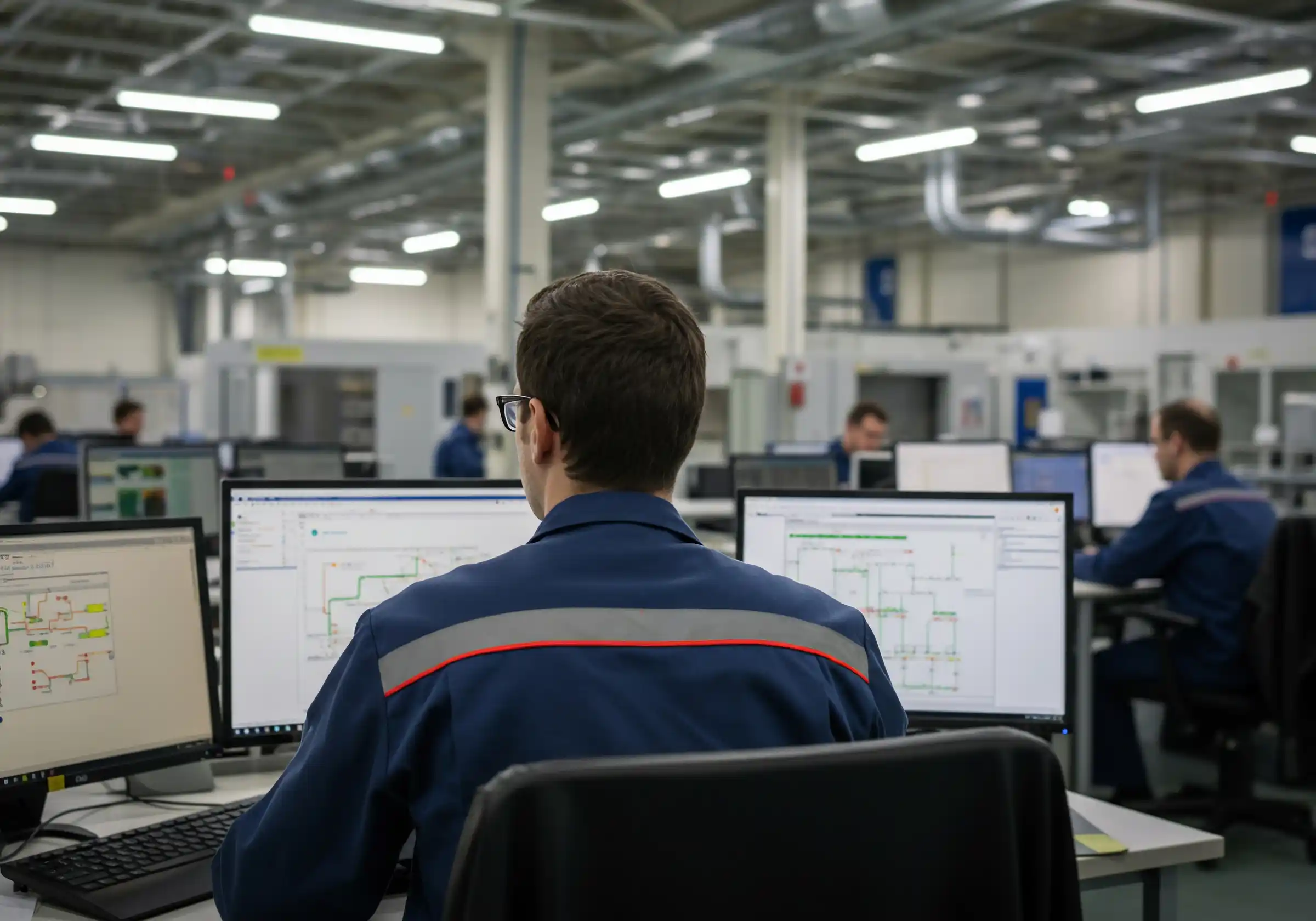
01
Reviewing your design and agreeing on specs
02
Prorotype delivery

03
Once prototypes approved, production can begin
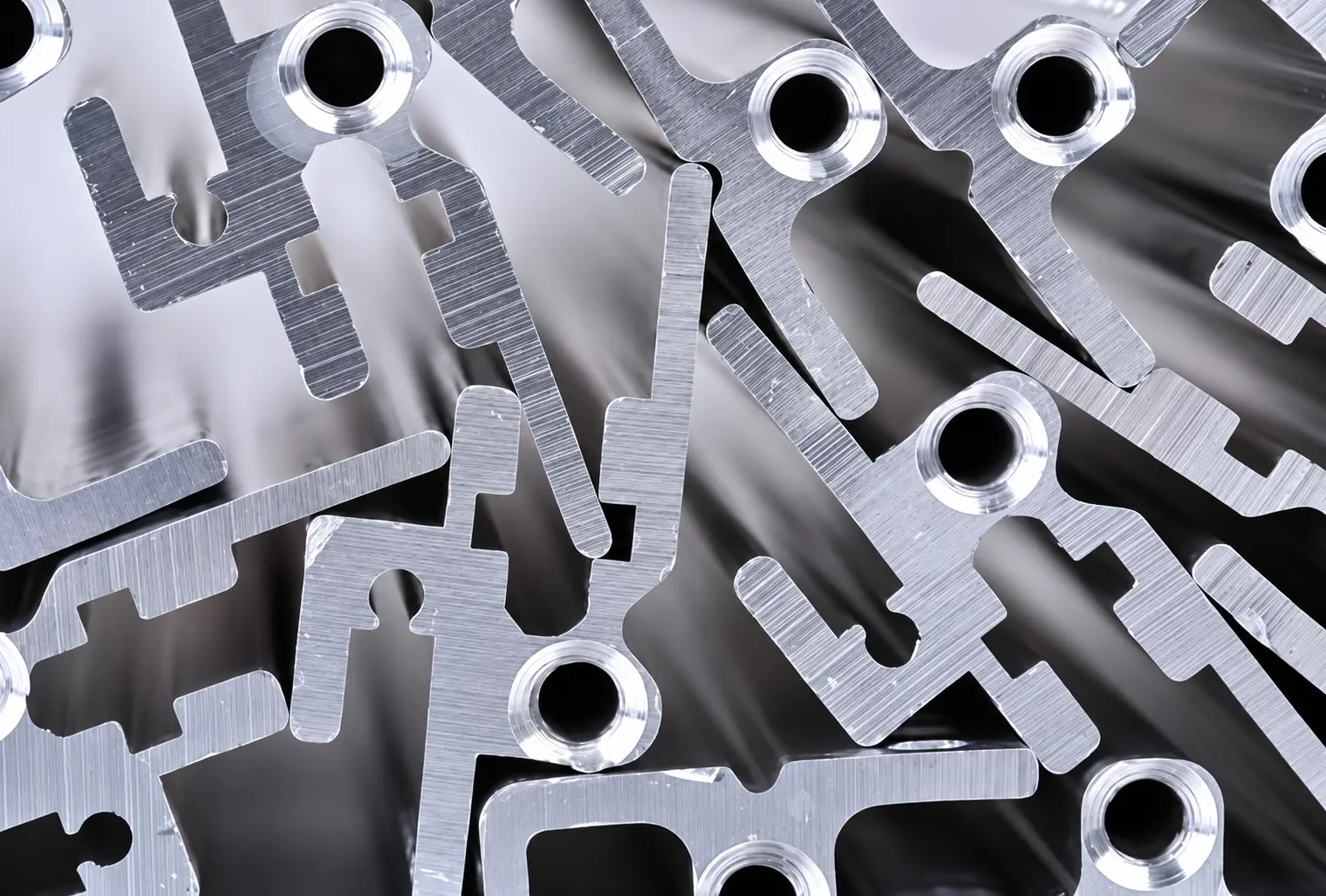
04
Machining your aluminium extrusions
Why choose ALUCAD for bespoke aluminium extrusion?
One supplier for the entire process
From design review and bespoke extrusion through to machining, finishing, assembly, packaging and delivery, we manage the complete production of your aluminium component.
Small aluminium profile capability
Our smallest aluminium profile produced to date measured approximately 4 × 4 mm and weighed just 43 g/m. We review each design to confirm achievable dimensions and tolerances.
Design review across every production stage
We consider how extrusion, machining and finishing affect one another, identifying opportunities to simplify your profile and improve manufacturing efficiency before tooling begins.
Established extrusion partnership
We work closely with our trusted extrusion partner (we've worked with them for over 15 years) to coordinate tooling and profile production around your component’s requirements. You only have to communicate with us.
European project management
Our team in France coordinates technical discussions, production follow-up and logistics, giving you a single point of contact throughout manufacture.
Flexible production and delivery
Regular shipments to our French headquarters allow deliveries to be scheduled around your production needs, without receiving your full annual quantity at once.

From extruded aluminium profile to finished component
Most ALUCAD projects combine bespoke extrusion with machining. We transform extruded profiles into components for applications including doors, hinges, LED channels, heat sinks and solar mounting systems.
What we need to quote your bespoke aluminium extrusion
Send your profile cross-section and finished-component drawings, with CAD files where available. Include the application, annual quantity, required lengths and any critical tolerances.
If specified, include the alloy and temper, surface finish, machining operations, assembly and packaging requirements. If some details are still undecided, tell us what the component needs to achieve so we can review the manufacturing options with you.
Your extrusion quotation checklist
Profile drawing / CAD
Finished-part drawing
Application
Annual volume
Required lengths
Alloy & temper
Critical tolerances
Machining requirements
Surface finish
Assembly & packaging
Send us your aluminium profile drawings and specifications
FREQUENTLY ASKED QUESTIONS
Questions about bespoke aluminium extrusion
Yes. Hollow, semi-hollow and solid sections are reviewed according to the application. A hollow design can reduce weight, but its suitability and tooling requirements depend on geometry and performance requirements.
We work with 6000-series alloys, including 6063 T5 and 6005 and 6061 T6. We review the material specification against the requirements for extrusion, machining and finishing.
Our extrusion tolerances are based on EN 755, with achievable values depending on the dimension and profile geometry. Tight finished-part dimensions may require machining. See our aluminium profile design guide for dimensional guidance.
The average MOQ is approximately 500 kg per profile per year. We confirm the requirement after reviewing your drawings and production needs.
Yes. We review wall thickness, radii, functional features, tolerances and downstream processing. Changes are proposed where they could improve manufacture or reduce cost while preserving the required function.
Sometimes. Extrusion creates a continuous cross-section, so suitable grooves, channels or locating features can be built into the profile. Local holes, pockets and end features generally require additional processing.
Yes. Most of our projects involve both extrusion and machining. Explore our aluminium profile machining capabilities for cutting, CNC machining, milling, drilling, tapping and other operations.
Tooling is quoted for the specific profile. Geometry, size and the tooling approach affect the cost; send your cross-section drawing so we can assess it alongside the production requirement.
You can contact us while your design is still developing. Share the drawings and requirements you have; we will identify what further information is needed to confirm feasibility and prepare a quotation.